Electric School Vans in Nepal: A Principal's Guide to Cost, Safety & Benefits
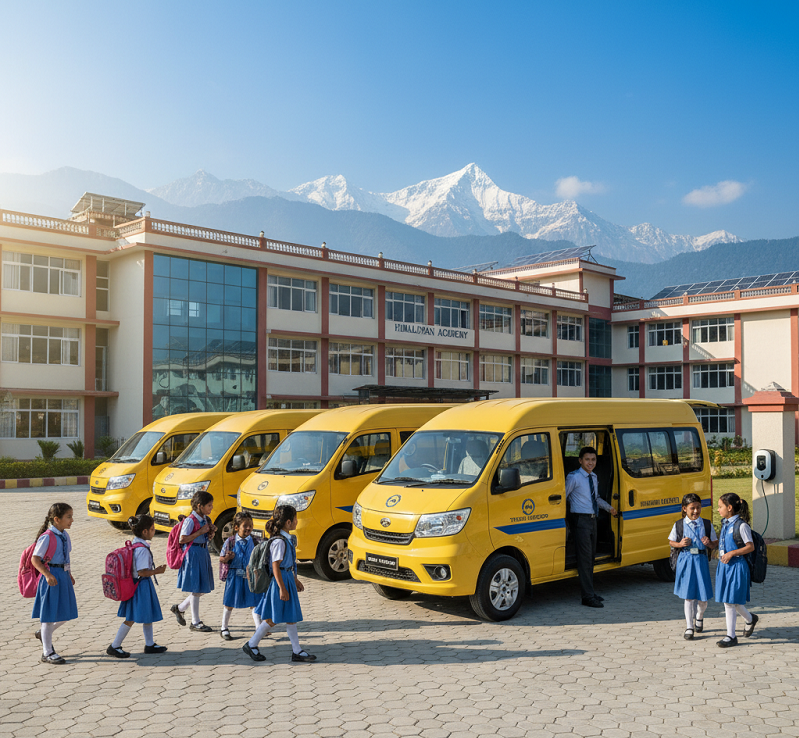
Why Nepali Schools Are Switching to Electric Vans: A Principal’s Guide
In recent years, schools across Nepal have begun to quietly revolutionize the way they transport students. The traditional petrol-powered school van is gradually being replaced by electric vehicle (EVs), and the shift is more than a passing trend. For educational institutions, this move is strategic which is enhancing student safety, optimizing operational costs, and demonstrating a commitment to sustainability.
As school principals and administrators navigate tight budgets, rising fuel prices, and increasing environmental concerns, understanding the advantages of electric school vans becomes essential. This article provides a comprehensive guide to the rationale behind the transition, the practical considerations involved, and why leading Nepali schools are embracing this change.
Financial Advantages of Electric School Vans
Cost-efficiency is often the first consideration for schools when evaluating fleet upgrades. Electric vans offer substantial financial benefits that extend well beyond the initial purchase price.
1. Reduced Fuel Costs
A standard petrol van operating on a 150 km route can consume fuel worth over NPR 4,000, whereas an electric van covering the same distance requires electricity costing only NPR 300–400. Over a year, these savings can accumulate significantly, allowing schools to allocate funds toward educational resources, infrastructure, or extracurricular programs.
2. Lower Maintenance Expenses
Electric vans have fewer moving parts compared to traditional combustion-engine vehicles. They do not require engine oil changes, spark plugs, or complex exhaust system repairs. The reduced mechanical complexity leads to:
- Fewer service visits
- Lower repair costs
- Minimized downtime, ensuring consistent transportation for students
3. Government Incentives
The Government of Nepal encourages EV adoption by offering reduced import duties, tax incentives, and subsidies. These measures make the initial investment in electric vans more accessible and financially attractive for schools.
Cost Comparison Table
| Expense Category | Petrol Van | EV Van |
|---|---|---|
| Fuel Cost (150 km) | NPR 4,000+ | NPR 300–400 |
| Maintenance | High | Low |
| Long-Term Value | Moderate | High |
This comparison clearly demonstrates that electric vans are a long-term cost-saving solution for schools.
Enhanced Safety Features for Students
Ensuring student safety during transit is a non-negotiable priority for any educational institution. Modern electric vans are designed with safety as a central focus.
1. Advanced Built-in Safety Features
Many electric vans come equipped with:
- Anti-lock braking system (ABS)
- Dual front airbags
- Reinforced safety cages
- Reverse cameras and parking sensors
These features provide a safer commuting experience for children and reduce the risk of accidents.
2. Secure and Monitored Environment
Electric vans often include:
- Automatic central locking
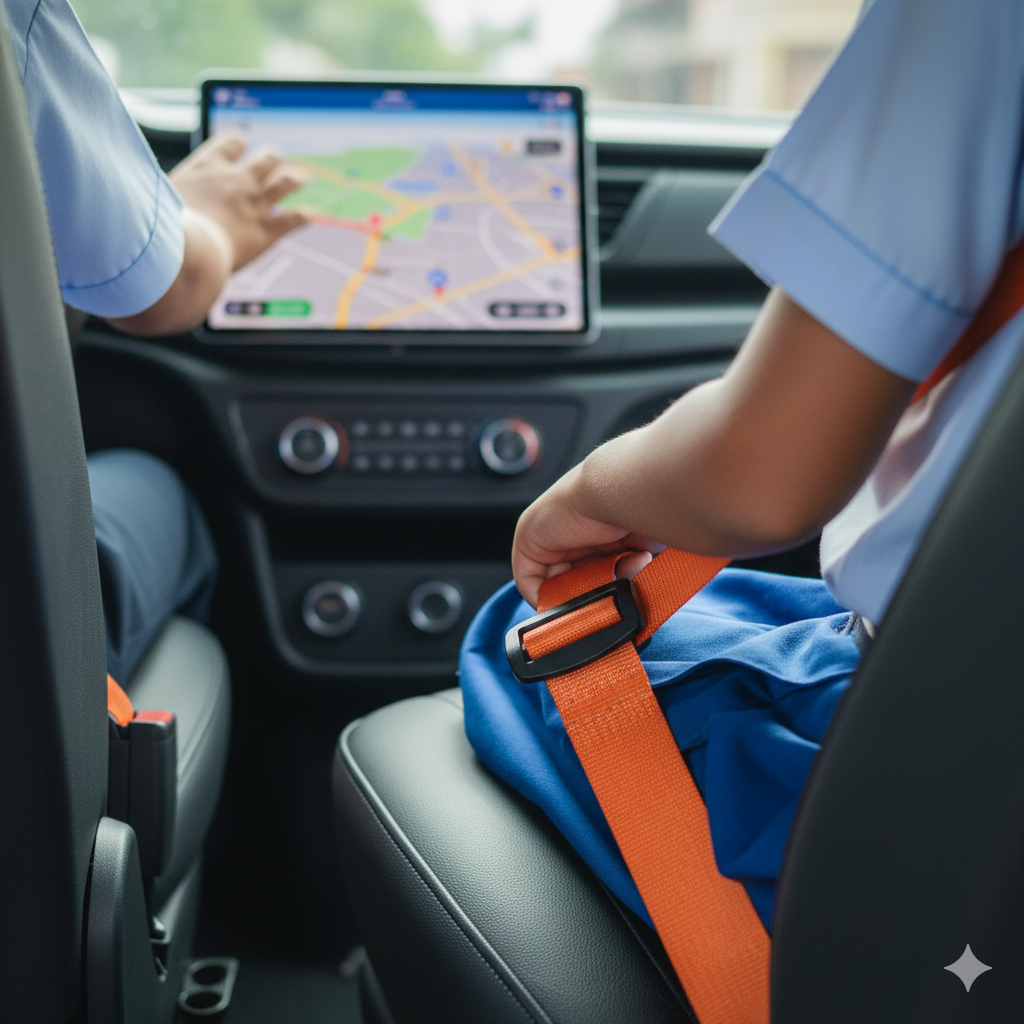
- Child-appropriate harnesses and seating arrangements
- GPS tracking for real-time monitoring
- Speed and route alerts for drivers
This level of oversight offers peace of mind to both school administrators and parents.
3. Quieter Operation for Improved Comfort
Electric vans operate with significantly lower noise levels than petrol vans. A quieter cabin environment reduces driver stress and distraction while providing a calm and comfortable ride for students, especially beneficial in congested urban areas.
Environmental and Sustainability Benefits
Schools play a critical role in shaping community values and environmental awareness. Transitioning to electric vans has tangible benefits for both local air quality and broader ecological responsibility.
1. Zero Tailpipe Emissions
Electric vans do not emit harmful pollutants such as carbon dioxide (CO₂) or nitrogen oxides, directly contributing to cleaner air in cities like Kathmandu, Pokhara, and Lalitpur.
2. Leveraging Clean Hydropower
Nepal’s electricity grid primarily relies on hydropower. Charging electric vans with this renewable energy further reduces the school’s carbon footprint and dependence on fossil fuels.
3. Practical Environmental Education
Operating an electric fleet provides students with a daily, real-world example of environmental stewardship. It demonstrates the school’s commitment to sustainability and inspires students to become eco-conscious citizens.
Future Expansion Plans for EV School Transport in Nepal
As Nepal embraces electric mobility, school transport services are expected to expand and modernize. Key developments include:
1. Wider Adoption Across Schools
Urban and semi-urban schools are increasingly investing in electric vans. With government incentives and growing awareness of environmental benefits, more institutions plan to replace diesel or petrol vans with electric alternatives.
2. Expanded Charging Infrastructure
Efforts are underway to develop a nationwide EV charging network, including fast chargers at schools, transport hubs, and public areas. This will make EV operations more convenient and cost-effective.
3. Integration with Smart School Systems
Future electric vans will integrate with school management software, providing real-time tracking, automated attendance reporting, and route optimization. Parents will be able to monitor their children’s commute safely and efficiently.
4. Cost Savings and Operational Efficiency
Electric vans require less maintenance and have lower running costs compared to traditional vehicles. Schools adopting EVs will benefit from reduced fuel expenses and longer vehicle lifespans.
Conclusion
The shift to electric vans for school transport in Nepal represents a significant step toward safer, cleaner, and smarter student transportation. With enhanced safety features, lower environmental impact, and integration with smart systems, electric vans are poised to transform the daily commute for students across the country. Schools adopting EV fleets not only contribute to sustainable development but also set an example of environmental responsibility for future generations.


Comments
Post a Comment